 I'm Ella, your AI-powered assistant.




Webinars


Clinical Benefits of Electric Rotary Surgical Equipment in Implant and Oral Surgery Procedures
You have taken the courses, you have the knowledge and the equipment to place Implants and perform various Oral Surgery procedures. Are you using your electric Surgical “Implant” motor to its full extent? Join us to review the W&H Implantmed Plus Surgical motor system and the various surgical handpieces that can help you in your practice – every day. Experience greater cutting power and reduced aerosol with the use of sterile irrigation along with handpieces that can be taken apart for optimal cleaning, longevity and reduced repair bills.
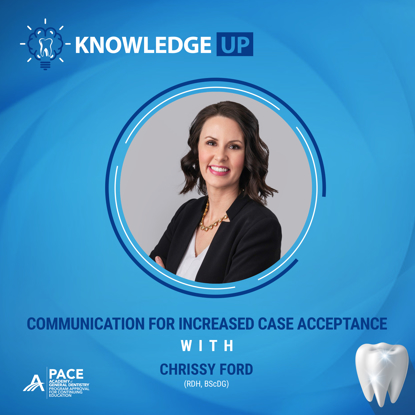
Communication for Increased Case Acceptance
Case acceptance in the hygiene department is vital to the well-being of our patients and our practice. In dentistry, we are typically great at explaining what needs to be done and how we are going to do it, but rarely touch on the "why" behind the treatment. Join us to learn the 5 vital steps for better communication and increased case acceptance.
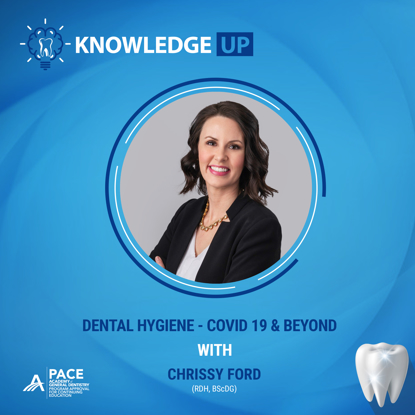
Dental Hygiene - COVID-19 & Beyond
Coronavirus poses a much higher risk to people living with pre-existing conditions and systemic inflammation. Now more than ever, it is imperative that we consider the role we play as true health care providers to support our patients to optimal oral and overall health.
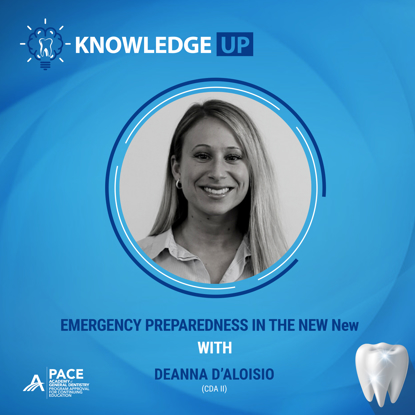
Emergency Preparedness in the NEW New
Now that your clinic is up and running, you are slowly but surely seeing all kinds of patients, performing all types of procedures. Your infection control is now outstanding! but are you prepared to save a life? Are you confident to overcome a medical emergency? Tune in to our online webinar for tips and tricks on Emergency Preparedness in the new NEW!

Evolving Ridge Preservation. Clinical Decision Making with the REBASE Framework
Post-extractive bone resorption is a biologically driven process that can compromise future implant therapy, often necessitating complex and invasive hard and soft tissue augmentation. To minimize such interventions, ridge preservation must go beyond the simple placement of biomaterials and follow a structured, biologically informed strategy.
The REBASE Framework presents a modern, stepwise approach to ridge preservation, grounded in essential clinical pillars and adaptable to both current standards and future advances in regenerative dentistry. This lecture will explore how each phase contributes to predictable hard and soft tissue outcomes, from atraumatic extraction and socket classification to material selection, biologic activation (e.g., with Regenfast® or PRF), and achieving tension-free closure with the use of advanced biomaterials or tissue grafts.
Drawing from clinical experience, translational research, and real-life cases, this session will equip clinicians with a comprehensive and reproducible protocol to optimize both esthetic and functional results in post-extraction sites.
$$ $$
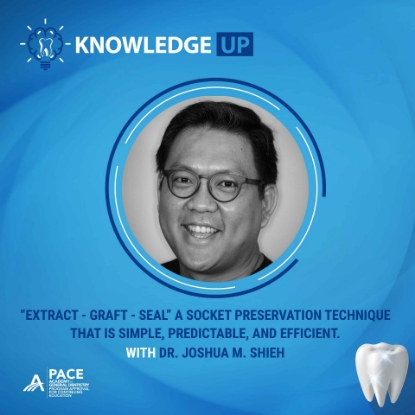
Extract, Graft, Seal. A Socket preservation technique that is simple, predictable and efficient
Following tooth extraction, the alveolar ridge undergoes physiological remodeling that results in vertical and horizontal volumetric osseous reduction, an increase in soft tissue thickness, and a narrowed band of keratinized mucosa.Previously published systematic reviews have demonstrated that a substantial loss of alveolar ridge volume following tooth extraction may compromise a future implant-supported fixed dental prosthesis. Therefore, maintaining the post extraction dimensions will minimize the necessity for alveolar ridge augmentation prior to implant placement.
Welcome to HANSAmed!

Woohoo! You've unlocked a
$10welcome reward point!
Shop now and save within 30 days!